
Is this Canada’s Estonia moment?
A conversation with author Joel Burke about how to reboot a nation—and whether it’s Canada's turn

If you spend more than five minutes talking to governments about modernization, someone will inevitably mention Estonia. The country's vast sprawl and relatively small population made it a natural fit for digital government, because it was prohibitively expensive to deliver services to tiny towns and far-off citizens. Now you can complete virtually any government task, from paying taxes to registering a business to filing for divorce, via an app or a website. Estonians trust their government's services, and the country estimates that it saves 2% of GDP every year because of them.
Joel Burke, who is currently an advisor to the US Senate on AI policy, worked on Estonia’s “digital resident” program. He lived in Taalin, Estonia’s capital, and on his return, wrote Rebooting a Nation, a book that chronicles the country’s journey from breakaway Soviet republic to digital pioneer.
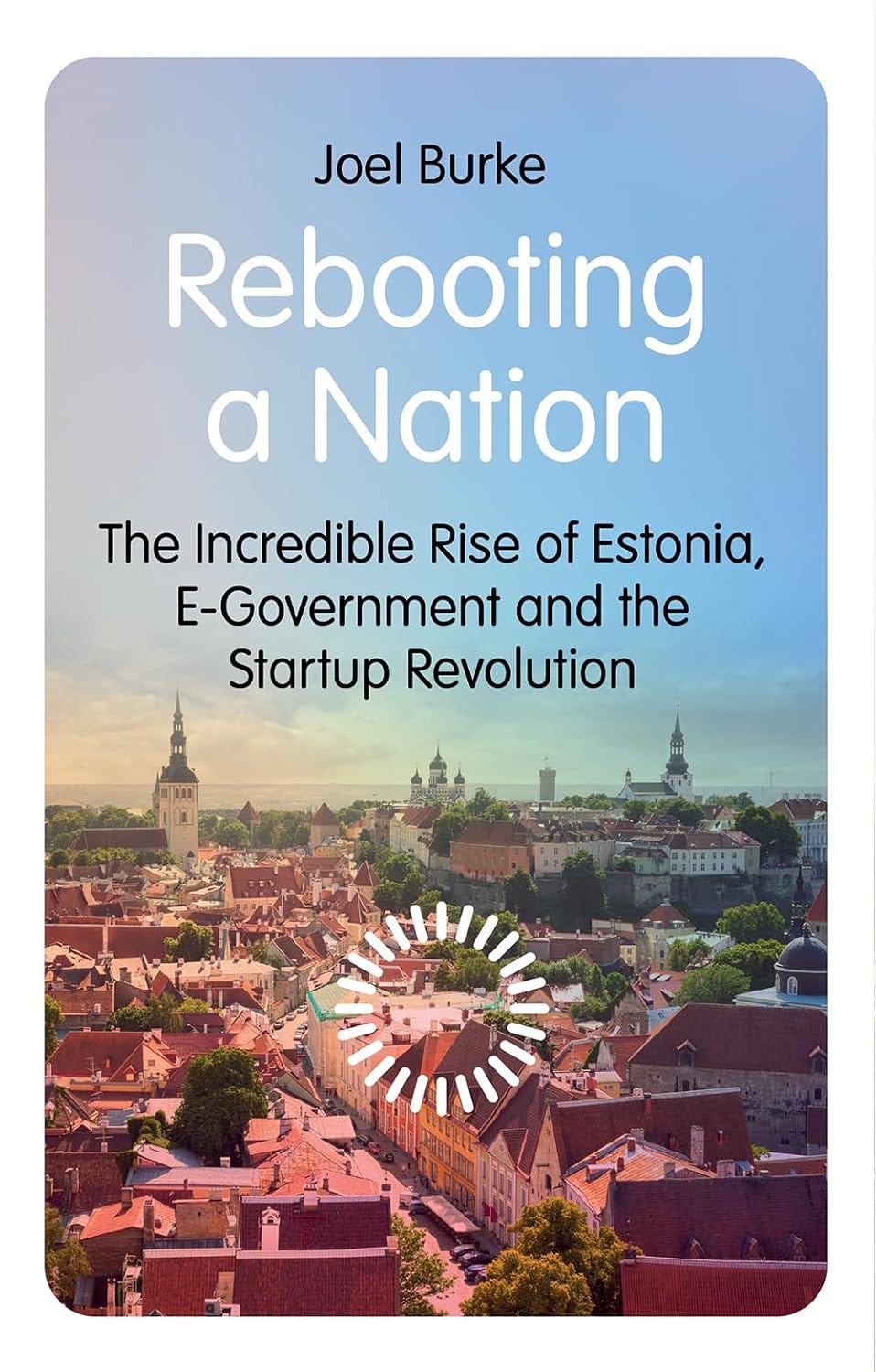
If you work in public sector modernization, you’ve probably heard of Estonia’s digital services. Citizens can perform everything online, from changing addresses and paying taxes to getting married and getting permits. Data is centralized—but in a good way, where the citizen can see what the government knows, and who’s looking at it.
Ironically, this happened because of a lack of trust. When Estonia declared independence from Russia, there was a deep-seated mistrust of bureaucracy and the public sector. Estonians demanded transparency, and built for it from the outset. By law, every time the government interacts with a citizen's data, the citizen sees that interaction in their government app. Every politician's spending—down to the hotel they stayed in last night—is visible to anyone.

For the final episode of 2025, we turn towards the iconic example of digital services: Estonia.